Workplace discrimination remains one of the most persistent barriers to ethical business conduct and sustainable development. At its core, discrimination refers to any distinction, exclusion, or preference based on race, color, sex, religion, political opinion, national extraction, or social origin that undermines equality of opportunity or treatment in employment.
When discrimination takes root, it compromises workers’ true abilities and erodes the foundations of a healthy workplace. It threatens fairness, weakens morale, and reduces overall productivity — creating an environment where neither workers nor businesses can thrive.
As an organization committed to ethical business practices and responsible supply chain management, WRAP (Worldwide Responsible Accredited Production) champions dignity, fairness, and equal opportunity for all workers. That is why, among WRAP’s 12 নীতি, Principle 7: Prohibition of Discrimination stands as a central pillar.
Forms and Impact of Workplace Discrimination
Discrimination can appear in many areas of employment, including:
- Recruitment and hiring
- Promotion and career advancement
- Wage distribution and overtime access
- Training and development opportunities
- Disciplinary actions and termination
Workers may experience bias based on race, gender, age, national origin, disability, pregnancy, religion, sexual orientation, political opinion, or social status.
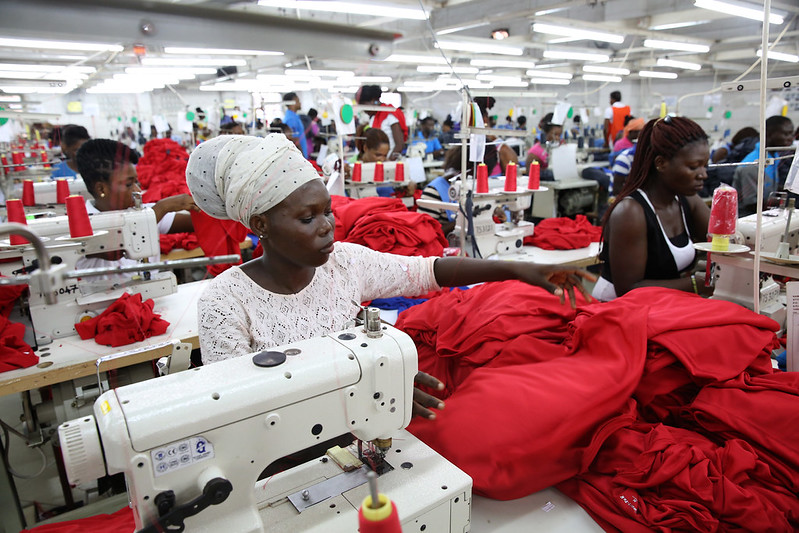
In my social compliance auditing experience, I have witnessed this firsthand. Female workers are sometimes overlooked for promotions or discouraged from applying for certain roles due to gender bias. Pregnant workers may face pressure during recruitment. Others are denied equal access to overtime, given unfair performance evaluations, or abruptly terminated for discriminatory reasons.
These injustices do more than affect individuals. They weaken trust across the workforce, undermine engagement, and create an environment where talent remains underutilized. Often, the root cause is not intentional harm but simply a lack of awareness among supervisory and managerial staff about what discrimination looks like in practice — and how damaging it can be.
WRAP’s Preventive Approach
WRAP promotes a zero‑tolerance stance on discrimination, supported by structured training, awareness programs, and robust auditing mechanisms. Our philosophy is simple: education and prevention are the strongest tools for change.
Through its audit program, WRAP ensures that facilities conduct thorough risk assessments that address all potential forms of discrimination across every operational level. These assessments form the basis for actionable strategies designed to prevent discriminatory practices before they occur.
To maintain a fair and inclusive workplace, WRAP requires facilities to:
- Establish a clear anti‑discrimination policy aligned with local regulations and international norms.
- Effectively communicate these policies to all employees, especially those involved in hiring, compensation, promotion, and termination.
- Provide regular training to management and workers to build awareness and accountability.
- Assign internal monitoring teams to oversee compliance and address grievances promptly and transparently.
- Extend anti‑discrimination expectations to subcontractors and suppliers, ensuring alignment throughout the supply chain.
This approach empowers facilities to build systems that protect both workers and organizational integrity.
Building Inclusive and Sustainable Workplaces
Eliminating discrimination is not solely a matter of compliance—it is the foundation of building resilient, inclusive, and high‑performing organizations.
Companies that uphold fairness and respect see stronger employee engagement, lower turnover, and better operational performance. Workers who feel valued bring their best to the workplace; teams with diverse perspectives drive innovation; and organizations committed to inclusion earn trust across their supply chains.
A discrimination‑free workplace affirms a simple but powerful truth: Success is sustainable only when dignity and equal opportunity are guaranteed for all.
Joining in 2027, Mahmuda Khanom serves as a Senior Auditor for the WRAP Bangladesh Team.