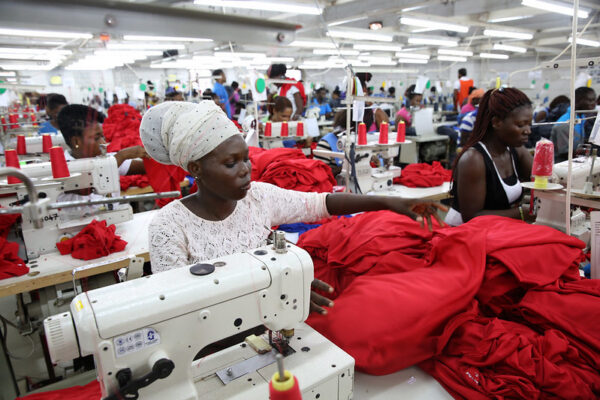
The garment sector employs an estimated 94 million workers worldwide, making it one of the largest manufacturing workforces on the planet. Although the exact number of women workers is difficult to pinpoint due to the high prevalence of informal employment, the International Labour Organization estimates that 60–80% of the global garment workforce is female. This means tens of millions of women are powering the engine of global footwear and apparel production.
Their labor stitches together far more than garments. It supports families, strengthens local economies, and sustains a truly global industry that touches consumers in every corner of the world.
Asia’s Central Role—and the Women Underpinning It
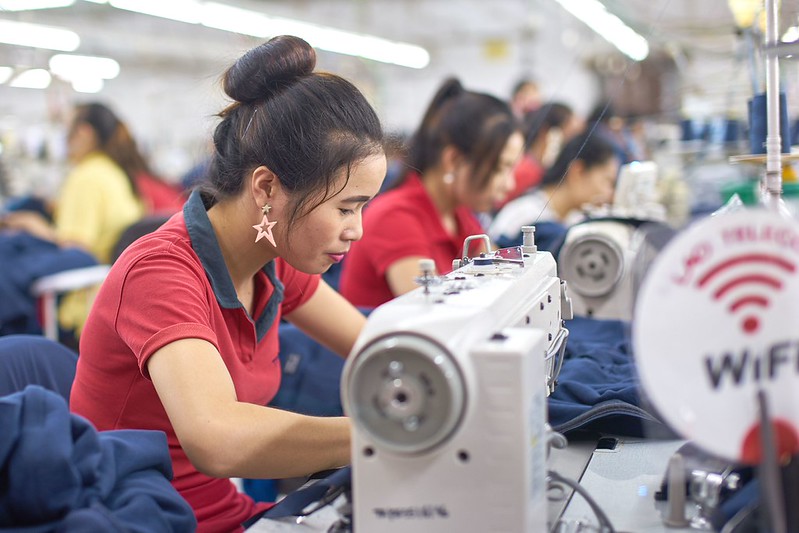
Asia remains the epicenter of garment production, accounting for three‑quarters of all workers in the sector. China continues to be a major hub, but in recent years, the industry has rapidly expanded across South Asia—countries such as Bangladesh, India, Pakistan, and Sri Lanka now play a critical role in the global supply chain.
In many of these countries, the typical garment worker is a young woman who has migrated from a rural community to a city in search of economic opportunity. For many, this may be their first formal job. Without established support networks, they often face heightened risks:
- Abusive or unsafe working conditions
- Gender‑based discrimination
- Harassment or exploitation
- Limited freedom of movement
- Insufficient access to grievance mechanisms
Despite these challenges, their resilience and determination keep the industry moving forward.
WRAP’s Commitment to Dignity, Safety, and Opportunity
At WRAP, we believe the garment industry can be a source of empowerment—especially for the women who make up its core. Our 12 নীতি form a globally recognized framework for ethical, responsible, and humane production. These principles directly support the wellbeing of female workers by emphasizing:
- Fair compensation
- Safe and healthy working environments
- Humane treatment and respect
- Freedom of movement and protection from harassment
- Transparent management systems that prevent exploitation
These are not abstract ideals; they are practical safeguards that meaningfully enhance the daily lives of millions of workers.
Our work is rooted in partnership: helping facilities adopt responsible practices, building strong social compliance systems, and equipping them to maintain these standards over time. When facilities commit to responsible production, women thrive. They gain safer workplaces, more predictable wages, expanded opportunities, and environments where their dignity is protected.
Moving Forward Together
As global demand for sewn products continues to evolve, so must our commitment to the people who make that industry possible. By championing ethical workplaces, supporting responsible production, and ensuring women’s voices are heard, we help create an industry that uplifts rather than exploits.
We celebrate the women who sew, cut, design, inspect, manage, and lead. Their work is essential, and their wellbeing must remain at the center of how the global supply chain moves into the future.
Let’s continue to build workplaces that empower, protect, and respect women—because when women thrive, the entire industry becomes stronger.