The Essential Fabric: Women’s Role in the Global Apparel Industry
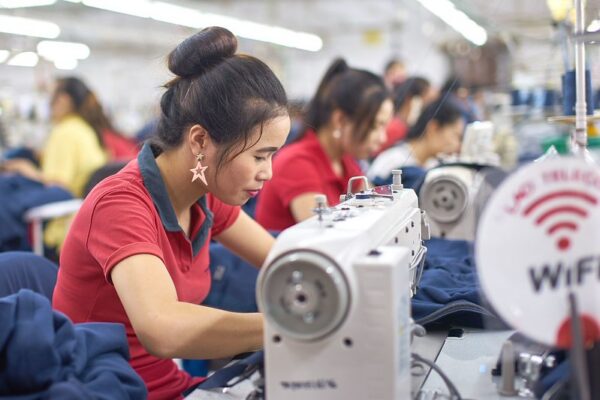
The garment sector employs an estimated 94 million workers worldwide, making it one of the largest manufacturing workforces on the planet. Although the exact number of women workers is difficult to pinpoint due to the high prevalence of informal employment, the International Labour Organization estimates that 60–80% of the global garment workforce is female. This […]
Discrimination Divides. Inclusion Drives Success.
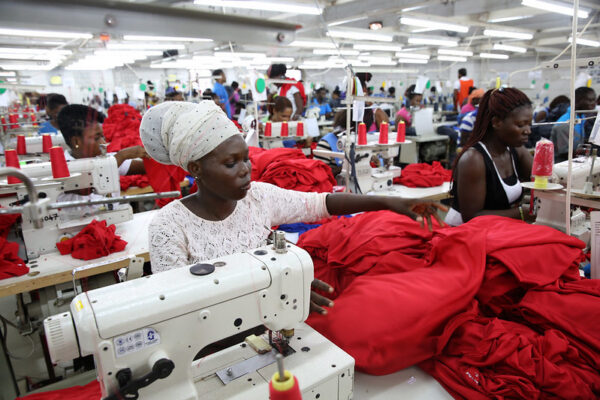
Workplace discrimination remains one of the most persistent barriers to ethical business conduct and sustainable development. At its core, discrimination refers to any distinction, exclusion, or preference based on race, color, sex, religion, political opinion, national extraction, or social origin that undermines equality of opportunity or treatment in employment. When discrimination takes root, it compromises […]

Rethinking Working Hours in Labor-Intensive Industries
High working hours in labor-intensive industries—particularly footwear and apparel—have been debated for decades and remain one of the most persistent challenges in responsible supply chain management. At the heart of this discussion is Principle 6: Hours of Work, a foundational component of WRAP’s 12 Principles, which collectively define WRAP’s approach to ethical, lawful, and humane […]
The Evolution of Social Compliance and WRAP’s Role
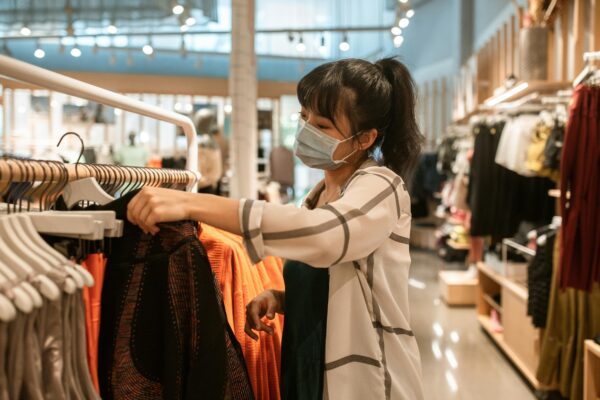
The modern social compliance movement emerged from public scrutiny, worker advocacy, and growing demands for accountability in global supply chains. Over the past 25 years, it has evolved from reactive responses to high-profile scandals into a structured system of standards, legislation, and continuous improvement. Created as part of the industry’s early response to these challenges, […]

Customs Compliance: A Cornerstone of Global Trade
As the international supply chain adapts to an ever-changing geopolitical landscape, one priority remains constant: customs compliance. For importers and exporters, this is not just a box to check—it’s a critical safeguard against delays, fines, and even the seizure of goods. In a world where products often pass through multiple hands, cross oceans, and traverse […]
A Silver Jubilee – 25 Years at WRAP and Beyond!
For a quarter century, Worldwide Responsible Accredited Production (WRAP) has stood as a trusted leader in social compliance, championing safe, lawful, humane, and ethical manufacturing practices in the sewn products sector. Today, with over 30 representatives in key sourcing destinations around the world, more than 43,000 certificates issued, and over 180 million lives positively impacted […]
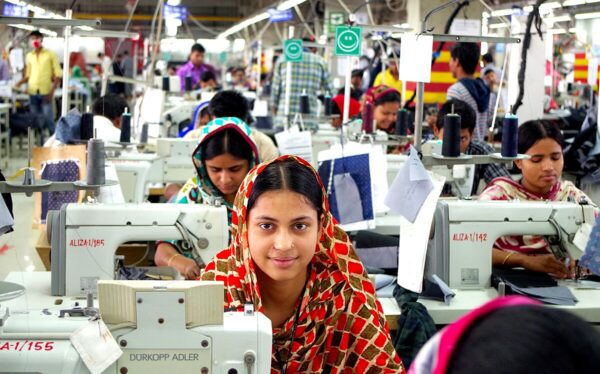
Empowering Worker Voice: Why Freedom of Association Matters
Workers thrive when their voices are heard. That’s why Freedom of Association and Collective Bargaining stand as a cornerstone of Worldwide Responsible Accredited Production (WRAP)’s 12 Principles. This fundamental right ensures that workers can organize, express concerns, and negotiate for better conditions—without fear of retaliation. When workers are empowered to speak openly, facilities operate more […]
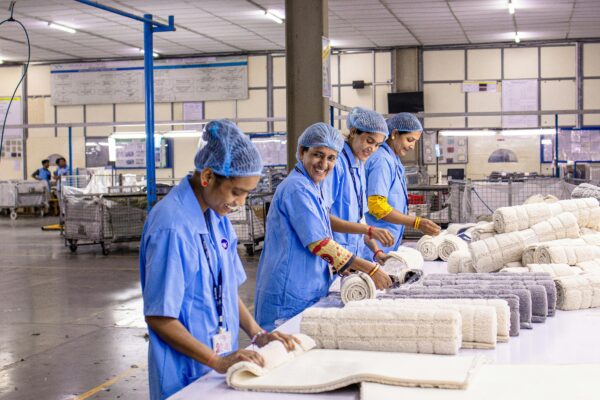
“No sabía que estaba mal”: por qué acabar con el acoso laboral es una prioridad fundamental e innegociable.
Toda persona que trabaja en un entorno industrial —independientemente de su género, función, puesto o rango— merece ser tratada con respeto y protegida contra el acoso y el abuso. La dignidad es un derecho universal. El 25 de noviembre, Día Internacional de la Eliminación de la Violencia contra la Mujer, nos recuerda a nivel mundial que la seguridad en el lugar de trabajo es fundamental. En Worldwide […]
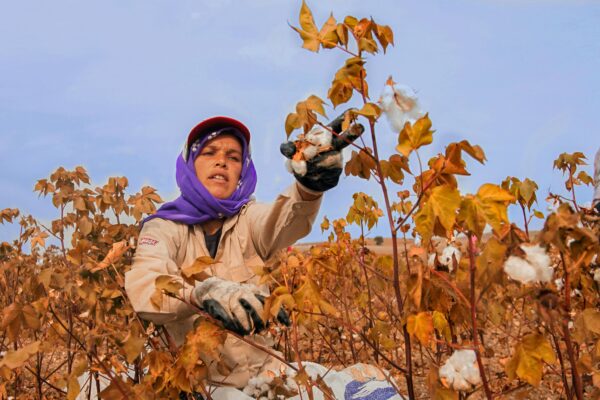
Algodón y producción consciente: el Principio 10 de WRAP en acción
Cada año, el 7 de octubre, el Día Mundial del Algodón celebra una de las fibras naturales más importantes del mundo: el algodón. Este sustenta los medios de vida, apoya a las industrias y conecta a productores y consumidores de todo el mundo. Para quienes trabajamos en la producción responsable, este día es una oportunidad para reflexionar no solo sobre el impacto económico del algodón, sino también sobre su impacto ambiental […]
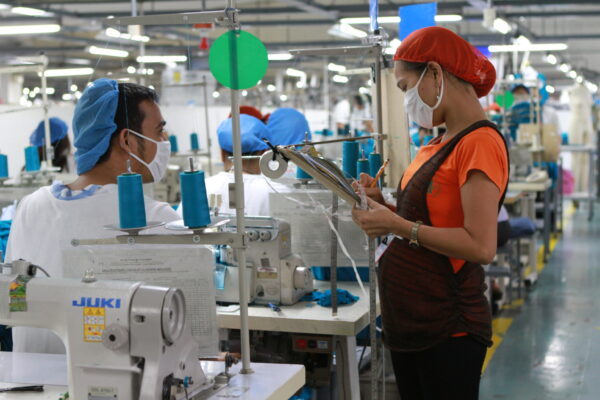
Compensación y beneficios: Construyendo una vida digna para los trabajadores de la confección
“Toda persona que trabaja tiene derecho a una remuneración equitativa y satisfactoria que le asegure, así como a su familia, una existencia conforme a la dignidad humana.” –Declaración Universal de los Derechos Humanos, Art. 23 Sec. 3 Una remuneración adecuada es una forma fundamental de reconocer el trabajo duro y la dedicación de un empleado, fomentando un sentido de valor y animándolo a […]
