Ethical Manufacturing: Preventing Forced Labor Within the Supply Chain
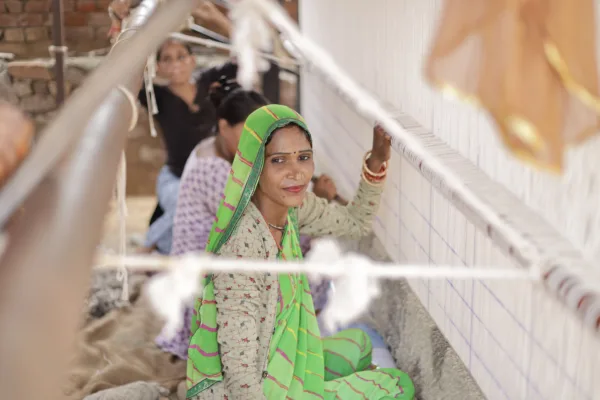
Forced labor is a major concern within the global supply chain. Verité, a global nonprofit organization dedicated to fair working conditions, finds that around 27.6 million people worldwide are ensnared in unethical and illegal employment situations. The International Labour Organization (ILO) defines forced labor as “all work or service which is exacted from any person under the […]
通过负责任的生产方式促进公平报酬
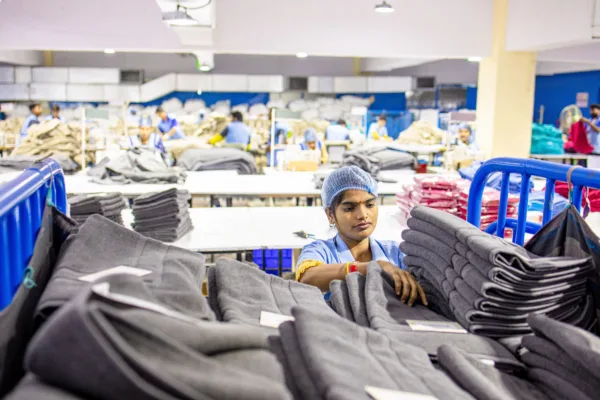
女性在全球供应链中扮演着至关重要的角色,国际劳工组织(ILO)指出,她们占全球服装行业劳动力的60-80%。然而,该行业的女性在获得公平工资方面仍然面临着诸多现实障碍,她们往往更容易遭受工资盗窃和虐待。联合国于9月设立了[…]
WRAP Fall Preview: Major Events Across ASEAN
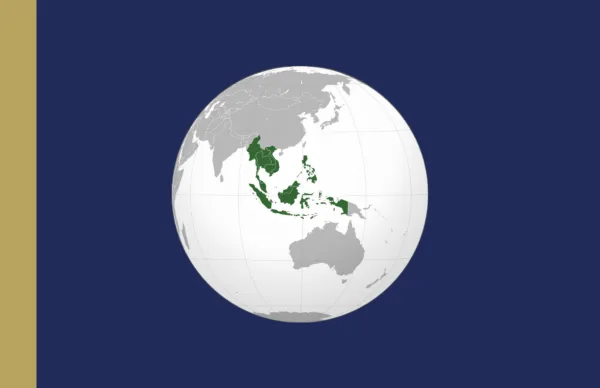
This fall, WRAP’s leadership will travel across Southeast Asia, a region that plays a central role in the global supply chain. Home to four of the top 10 countries with the largest number of WRAP-certified facilities, Southeast Asia remains a key focus for advancing responsible production, social compliance, and supply chain transparency. On September 17, […]
Labor Day: A Time to Recognize Workers
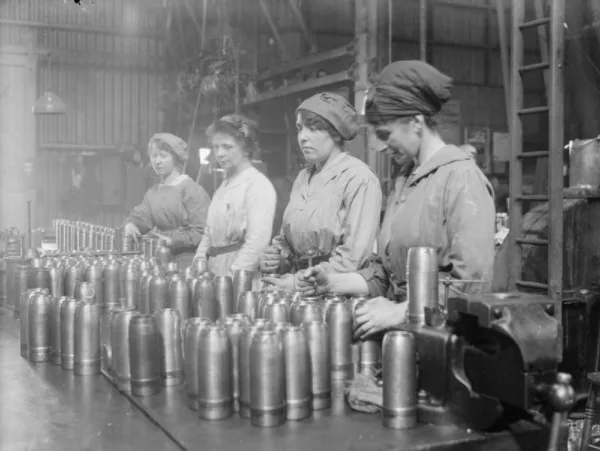
Labor Day, established in the wake of the American Industrial Revolution and the harsh conditions workers had to endure, lands on the first Monday of September. The national holiday recognizes the contribution of the U.S. workforce and the historic push for safe and fair working conditions. Worldwide Responsible Accredited Production (WRAP) is the largest social […]
WRAP Facility Spotlight: Top New Apparel Manufacturing
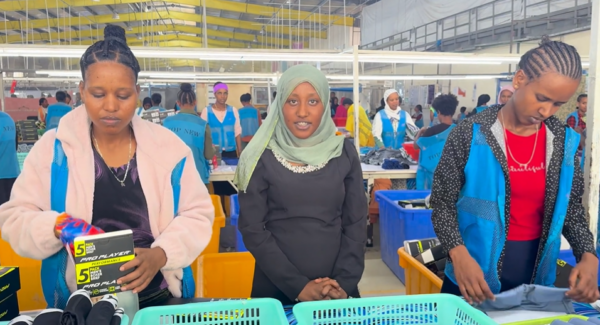
This is Top New Apparel Manufacturing, a WRAP-certified facility located in Addis Ababa, Ethiopia. The facility employs more than 1,000 workers and is planning to expand to create further work opportunities for the local community. While it primarily produces swimwear, it also manufactures items such as children’s clothes and boxers. Dive straight into the facility’s […]
Back-to-School: How Responsible Manufacturing Fits In
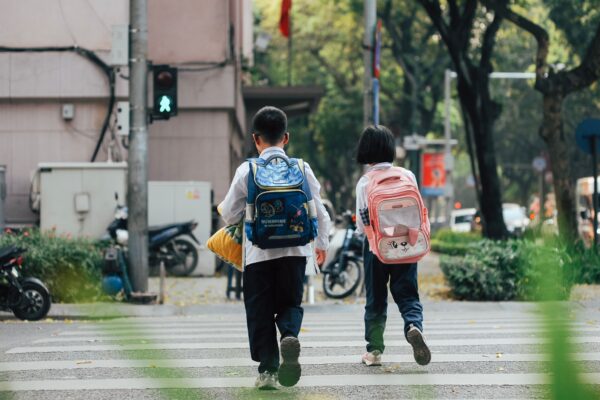
Back-to-school season is one of the busiest shopping periods of the year. Families are purchasing new clothing, shoes, backpacks, and accessories as students prepare to return to the classroom. When making purchasing decisions, shoppers often consider style, price, and quality, but they may also think about the workers behind the product. Most apparel, footwear, and […]
Heat Stress in Manufacturing: A Rising Workplace Challenge
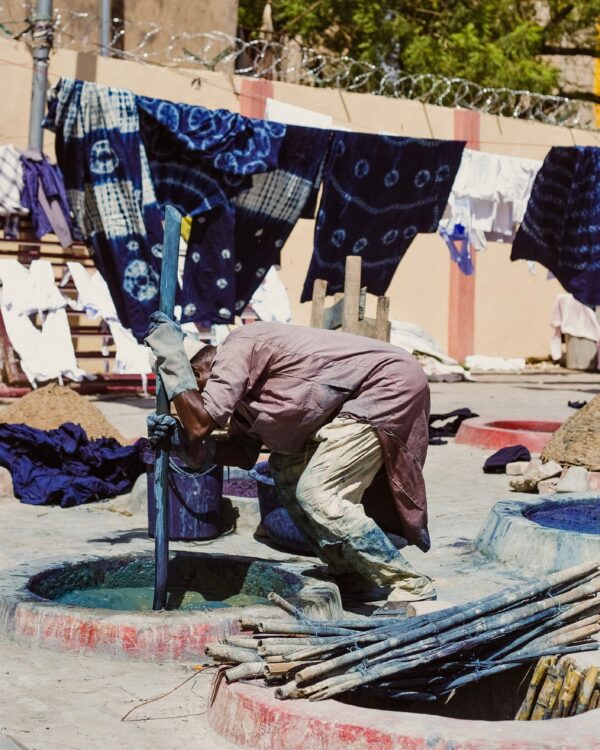
Heat stress is a rising issue faced by production workers around the world. It occurs when the body is unable to effectively release the heat it’s absorbed and stored. During the summer months, when temperatures can reach dangerous levels, heat stress becomes a significant concern for employees working in manufacturing facilities and other industrial environments. The consequences of heat stress […]
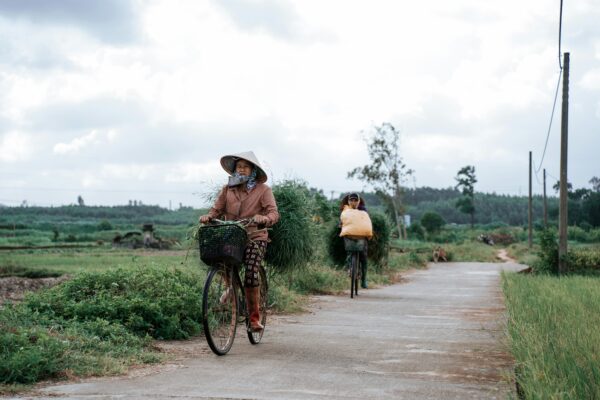
Celebrating the People Behind Every Bicycle
There is a human behind the manufacturing of each product, a fact we celebrate this World Bicycle Day, June 3. By bringing people to the forefront of conversations, new industries are driving greater social compliance and collaboration across global supply chains. In November, WRAP signed a Memorandum of Understanding (MoU) with the Taiwan Bicycle Association […]
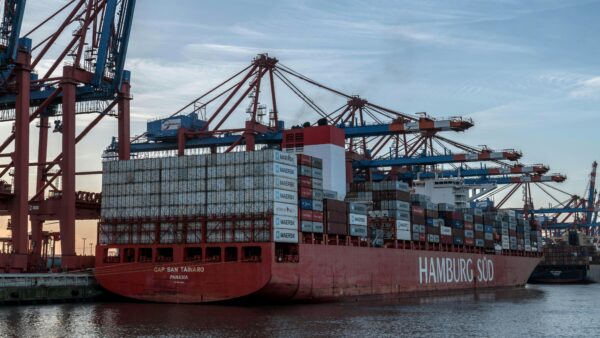
From Industrial Growth to Global Trade: How Manufacturing Created the Need for Social Compliance
The roots of today’s global supply chains lie in the manufacturing boom of the early 20th century—but their explosive growth was driven not just by factories, but by global trade. As industrial production accelerated in the early 1900s, manufacturing economies learned how to produce goods at scale and move them efficiently to market. Railroads, shipping […]
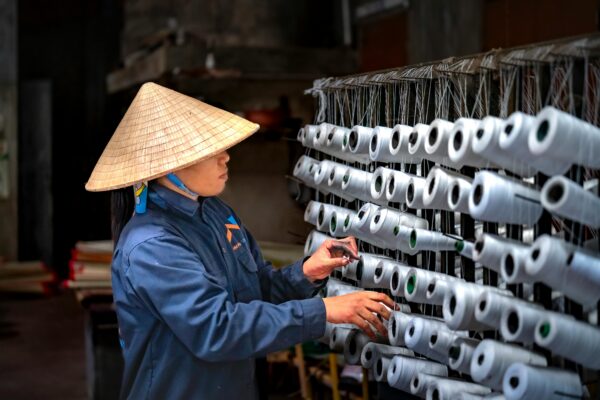
World Day for Safety and Health at Work: Why Systems Matter
Occupational health and safety concerns are an integral part of global supply chain networks. When workers suffer from work-related injuries or occupational illnesses, it often points to deeper gaps in workplace systems and controls. To honor workers affected by these incidents, promote safe working environments, and raise awareness of the consequences of inadequate health and […]

 English
  Español
  Deutsch
  বাংলা
বাংলা  Tiếng Việt
  简体中文
简体中文