

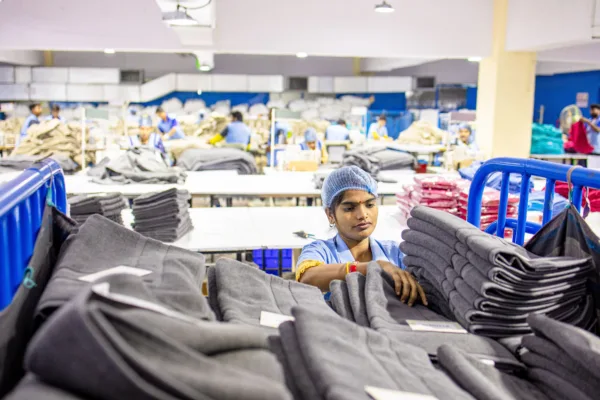
According to the United Nations, around 450 million people worldwide work within the global supply chain, interconnecting countries, industries, and goods. With so many moving parts, security measures are paramount to protect people against a variety of threats every step of the way.
In November of 2001, the U.S. Customs and Border Protection (CBP) formed the Customs Trade Partnership Against Terrorism (CTPAT) in the wake of 9/11. The program bolsters security within the global supply and helps prevent threats from all sides.
The program now has over 11,400 certified partners including U.S. importers & exporters as well as Mexican and Canadian manufacturers across a range of industries. CTPAT program partners are seen as lower risk at U.S. ports of entry due to their status, reducing the chances of examination.
WRAP, the world’s largest independent social compliance certification program for sewn and soft goods, proudly supports facility compliance with CTPAT program requirements. Two of WRAP’s 12 Principles, Principle 11: Customs Compliance and Principle 12: Security, require that manufacturers understand and comply with buyers’ security requirements, including their CTPAT obligations.
Under Principle 12, WRAP recognizes CBP’s CTPAT Guidelines for Foreign Manufacturers as the minimum requirements for facilities and has adopted its guidelines. Certification through our program allows facilities to meet brands and retailers’ CTPAT requirements due to this integration, removing the need for an extra audit process.
This quarter-century milestone marks years of protecting against and preventing threats within the global supply chain. To learn more on this topic and WRAP’s involvement, read the blog post Why Supply Chain Security Matters More Than Ever.


 English
 Español
 Deutsch
 বাংলা
 Tiếng Việt
 简体中文