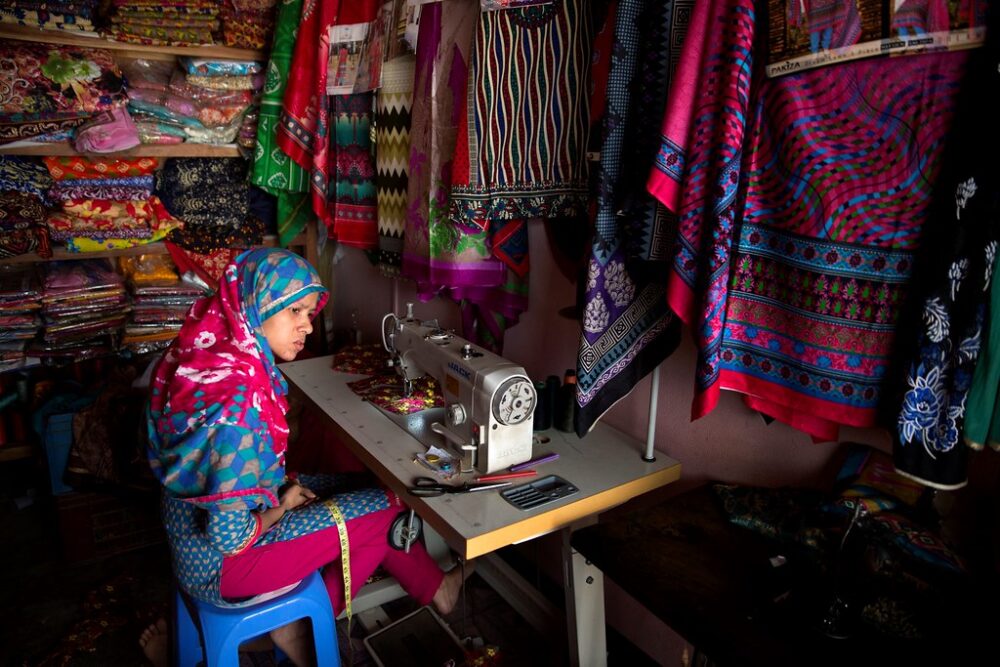
April 24 marks the anniversary of the devastating Rana Plaza tragedy in Dhaka, Bangladesh. Spanning eight floors, the commercial building housed a variety of facilities which produced garments for mainstream brands. Despite cracks beginning to form and workers questioning the structural soundness of the building, they were told that they needed to return to work. Shortly thereafter, Rana Plaza collapsed and more than 1,100 people lost their lives in the disaster.
This event not only left an indelible impact on the lives of those affected, but it continues to shape the global manufacturing supply chain and the social compliance sector today.
A Turning Point for Bangladesh’s Garment Industry
The Rana Plaza tragedy marked a critical moment for Bangladesh’s Ready-Made Garment (RMG) sector, sparking nationwide demonstrations and intense demands for improved workplace safety standards. In response, two initiatives were formed, the Accord on Fire and Building Safety in Bangladesh and the Alliance for Bangladesh Worker Safety. These initiatives brought together international brands, retailers, and trade unions with the goal of protecting workers’ safety and health within the country’s RMG industry.
Of note, Avedis Seferian, President and CEO of Worldwide Responsible Accredited Production (WRAP), the world’s largest independent facility-based social compliance certification program, was appointed to the Alliance’s Advisory Board—emphasizing its commitment to improving social compliance in the RMG industry. The WRAP Certification Program is based on the guiding 12 Principles, with facilities undergoing annual audits. WRAP has long had an on-the-ground presence in Bangladesh, having set up a local office in Dhaka in early 2011.
Prioritizing Health and Safety Through WRAP’s 12 Principles
A central component of WRAP’s 12 Principles is Principle 8: Health and Safety, which ensures facilities provide a safe and healthy environment for its workers. Through our careful assessment, WRAP expects facilities to prioritize worker health and safety above all else and proactively address any safety issues that could arise. This would include a wide variety of requirements, such as the availability of clean drinking water, adequate medical resources, fire exits, and safety equipment, well-lit and comfortable workstations, and clean restrooms. Further, facilities are expected to adequately train all their workers in how to perform their jobs safely. Any non-compliance with these requirements could result in the facility failing to receive certification from WRAP.
Since 2013, Bangladesh has remained a major sourcing destination for the garment industry as a strong global leader on social compliance. In a recent report prepared exclusively for HGI as part of a series of country-specific analyses, WRAP examines key areas of residual non‑compliance in Bangladesh. When we look at our comprehensive data of WRAP’s non-compliance trends for 2025, it’s clear that Principle 8 is where there are most of the global infractions, with 57% of all non-compliances tied to Health and Safety.
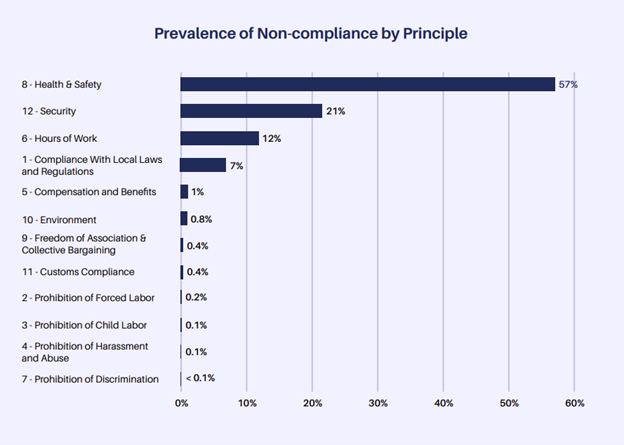
Bangladesh is no exception, with 44% of non-compliances in 2025 tracked to Principle 8. The second and third most cited non-compliances last year were tracked to Principle 12: Security (29%) and Principle 6: Hours of Work (13%).
Honoring the Past Through Continued Progress
As one of the world’s largest apparel producers, Bangladesh employs more than four million workers, carrying a profound responsibility to ensure safe, secure, and fair working conditions. In the years since the Rana Plaza tragedy, the country has taken meaningful steps to honor that responsibility by building a stronger culture of compliance. Progress within the RMG sector reflects not only regulatory change, but a deeper commitment to workers’ safety and dignity. These advancements stand as a testament to a nation that refused to let the lives lost be forgotten. Their memory lives on through continued efforts to protect and uplift the millions of workers who sustain the global apparel and footwear supply chain.

 English
  Español
  Deutsch
  বাংলা
বাংলা  Tiếng Việt
  简体中文
简体中文