精选
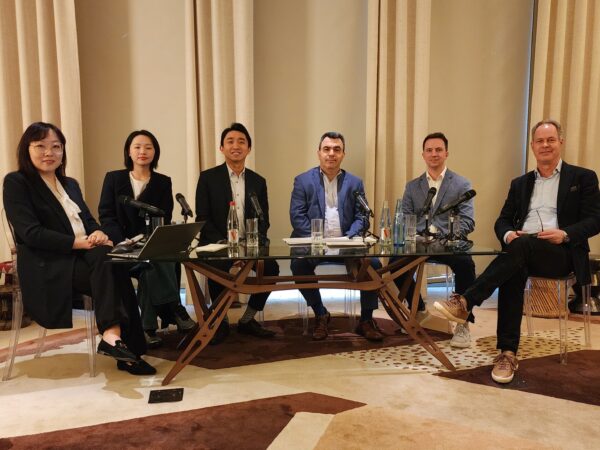
Aligning Speed with Responsibility: Insights from WRAP’s OECD Side Session on Supply Chain Accountability
Fashion supply chains have transformed dramatically over the last two decades. Production has accelerated, order volumes have shrunk, and global manufacturing has shifted toward networks of small, highly flexible factories. This evolution isn’t limited to fast-fashion giants or any single region—it’s visible on the UK high street, across Europe, and even within Italian luxury supply […]
CCL and WRAP Sign MoU to Promote Responsible Manufacturing in Peru’s Apparel and Textile Sector
The Lima Chamber of Commerce (CCL) and Worldwide Responsible Accredited Production (WRAP) are pleased to announce the signing of a new Memorandum of Understanding (MoU) that formalizes a shared commitment to advancing responsible business practices, improving competitiveness, and expanding global market access for Peruvian apparel and textile companies. CCL is a leading trade association representing […]
WRAP, TEA Sign MoU to Advance Social Compliance and Expand Exports
WRAP is pleased to announce the signing of a strategic Memorandum of Understanding (MoU) with the Tiruppur Exporters’ Association (TEA), India’s largest knitwear manufacturing hub. On January 12, 2026, Avedis Seferian, WRAP President and CEO, and K.M. Subramanian, President of TEA, signed an agreement to deepen collaborative efforts to advance social compliance and expand apparel export opportunities to the U.S. market. Key Areas of Collaboration Tiruppur holds a central position […]
Aligning Speed with Responsibility: Insights from WRAP’s OECD Side Session on Supply Chain Accountability
Fashion supply chains have transformed dramatically over the last two decades. Production has accelerated, order volumes have shrunk, and global manufacturing has shifted toward networks of small, highly flexible factories. This evolution isn’t limited to fast-fashion giants or any single region—it’s visible on the UK high street, across Europe, and even within Italian luxury supply […]
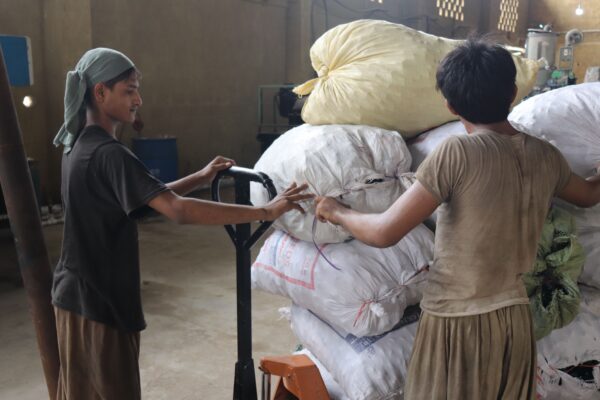
World Day Against Child Labor: The People Behind the Numbers
Child labor, just like slavery, hasn’t disappeared, but evolved to operate under the radar in a modern world. According to the International Labour Organization (ILO), around 50 million people worldwide, are ensnared in modern day slavery as of 2021, and around 138 million children are forced into child labor as of 2024. June 12 is World Day Against Child Labor, shedding light on the people behind the numbers. Around a quarter of those imprisoned […]
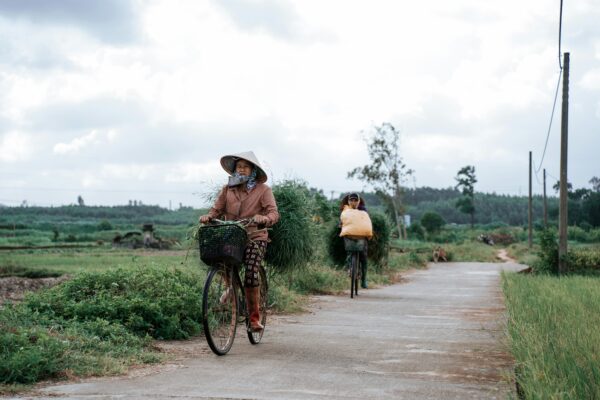
Celebrating the People Behind Every Bicycle
There is a human behind the manufacturing of each product, a fact we celebrate this World Bicycle Day, June 3. By bringing people to the forefront of conversations, new industries are driving greater social compliance and collaboration across global supply chains. In November, WRAP signed a Memorandum of Understanding (MoU) with the Taiwan Bicycle Association […]
250 Years of Fashion
To mark America’s 250th anniversary, the American Apparel & Footwear Association (AAFA) launched 250 Years of Fashion, an inside look at the people, products, and pivotal moments that have shaped American style. Through stories of iconic brands and enduring trends, the initiative shows how fashion has evolved alongside the nation, reflecting its culture, creativity, and […]

WRAP Contributes to Inspectorio’s State of Supply Chain 2026 report
On May 13, Inspectorio released their State of Supply Chain 2026 report, “The Proof Gap in Global Supply Chains: What It Takes to Turn Traceability and Sustainability Ambitions Into Verifiable Results,” which provides a landscape analysis of the current state of global traceability and sustainability. The report reveals that current supply chain systems aren’t modernized, […]
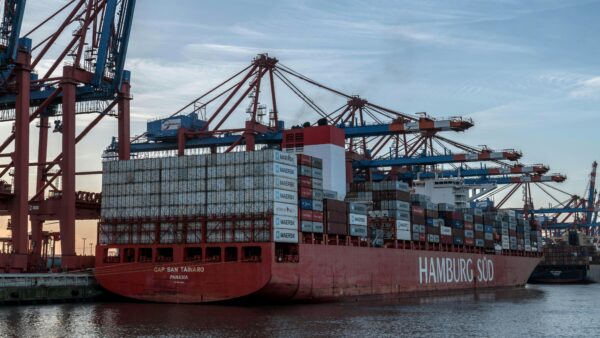
From Industrial Growth to Global Trade: How Manufacturing Created the Need for Social Compliance
The roots of today’s global supply chains lie in the manufacturing boom of the early 20th century—but their explosive growth was driven not just by factories, but by global trade. As industrial production accelerated in the early 1900s, manufacturing economies learned how to produce goods at scale and move them efficiently to market. Railroads, shipping […]
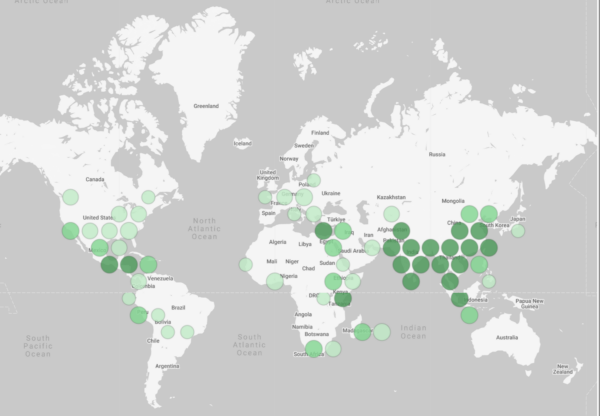
WRAP Joins the Launch of OS Hub Spotlight to Expand Visibility into Responsible Production
Worldwide Responsible Accredited Production (WRAP) is proud to be a founding partner in the launch of OS Hub Spotlight, a new capability from Open Supply Hub that helps connect trusted social and environmental data to real‑world production locations. Spotlight increases visibility into verified information about factories and other production sites—supporting more informed sourcing, stronger compliance […]
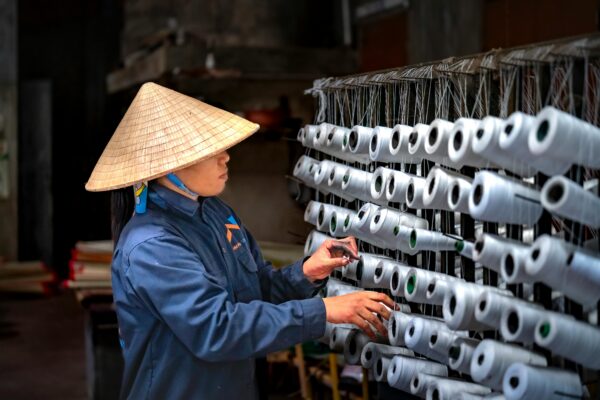
World Day for Safety and Health at Work: Why Systems Matter
Occupational health and safety concerns are an integral part of global supply chain networks. When workers suffer from work-related injuries or occupational illnesses, it often points to deeper gaps in workplace systems and controls. To honor workers affected by these incidents, promote safe working environments, and raise awareness of the consequences of inadequate health and […]
AAFA & WRAP Release Joint Guidance on Responsible Sourcing in Conflict Zones
The American Apparel and Footwear Association (AAFA) and WRAP have released new joint guidance specific to responsible sourcing in conflict zones. Responsible sourcing in conflict-zone areas is challenging due to a variety of reasons, such as government/military intervention, land disputes, transit of workers, transit of materials and finished product, armed militia funding, imposed sanctions, unstable […]
Why We Remember Rana Plaza
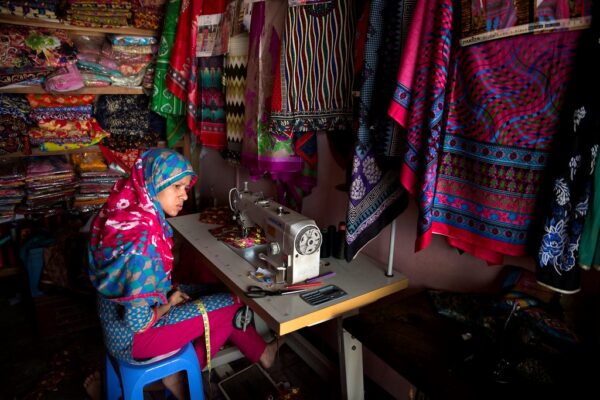
April 24 marks the anniversary of the devastating Rana Plaza tragedy in Dhaka, Bangladesh. Spanning eight floors, the commercial building housed a variety of facilities which produced garments for mainstream brands. Despite cracks beginning to form and workers questioning the structural soundness of the building, they were told that they needed to return to work. […]
