
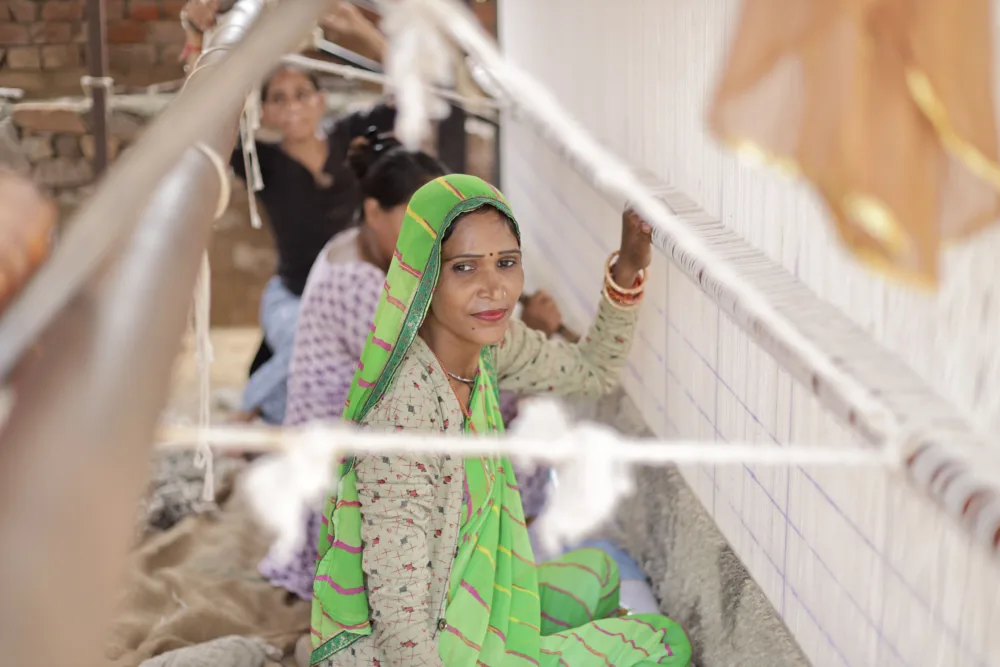
Forced labor is a major concern within the global supply chain. Verité, a global nonprofit organization dedicated to fair working conditions, finds that around 27.6 million people worldwide are ensnared in unethical and illegal employment situations. The International Labour Organization (ILO) defines forced labor as “all work or service which is exacted from any person under the threat of a penalty and for which the person has not offered himself or herself voluntarily.”
The ILO’s 11 Indicators of Forced Labor details how this pressing issue can present itself across the globe through means like threats, abusive working conditions, and the withholding of travel documents among others. This not only creates a social compliance issue, but also a supply chain risk management one, affecting production at each stage.
To combat this challenge, governments across the globe are working to pass robust legislation to prevent forced labor, like the 2022 U.S. Uyghur Forced Labor Prevention Act. More recently, Canada introduced legislation in June of 2026 to strengthen its forced labor import ban, creating a standalone law dedicated to forced labor import enforcement which allows the government to establish lists of high-risk goods, regions, or entities.
Global sourcing destinations such as India and Indonesia are also making strides to combat the issue. In 2026, Indonesia’s Ministry of Trade implemented Regulation No. 9 of 2026, which bans the importation of goods produced through business activities involving forced labor, and India amended its Foreign Trade Policy 2023 to prohibit imports of goods produced wholly or partially with forced labor.
WRAP’s program is supported by 12 nguyên tắc của WRAP which are benchmarked against all 11 ILO Indicators of Forced Labor to promote safe, ethical and humane workplaces worldwide. Principle 2: Prohibition of Forced Labor and Principle 3: Prohibition of Child Labor actively protects against forced labor to promote responsible production. WRAP helps manufacturers identify labor risks and prepare for increasing due diligence expectations while utilizing our regional staff in key production hubs.
WRAP keeps abreast of serious issues like forced labor to continually improve our program, making sure it aligns with current global standards and regulations.

 English
 Español
 Deutsch
 বাংলা
 Tiếng Việt
 简体中文