Earth sustains every fiber we wear. From the cotton grown in fertile soil to the water used in dyeing fabrics, the textile production industry is deeply intertwined with the planet’s natural systems. As global demand for apparel and textiles continues to rise, the industry faces a critical responsibility: to protect the Earth while meeting human needs. This is where responsible manufacturing frameworks—such as Sản xuất được công nhận có trách nhiệm trên toàn thế giới (WRAP)—play a vital role in shaping a more sustainable future.
The Environmental Footprint of Textile Production
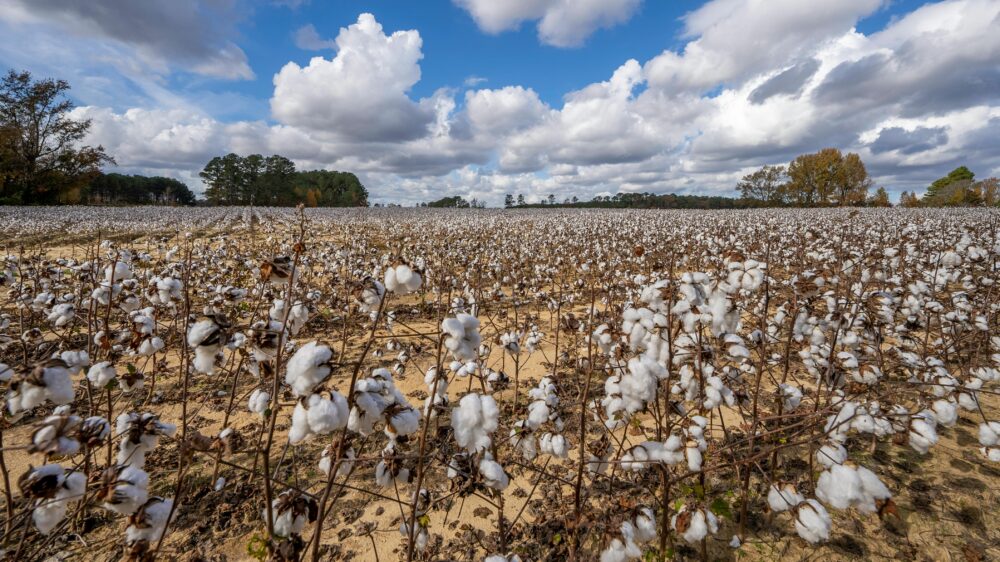
Textile manufacturing is one of the most resource-intensive industries in the world. It consumes vast amounts of water, energy, and raw materials, while also generating significant waste and emissions. Conventional cotton farming can strain soil health and biodiversity. Synthetic fibers rely heavily on fossil fuels. Dyeing and finishing processes, if unmanaged, can pollute waterways and harm surrounding ecosystems.
These environmental challenges are not abstract—they directly affect communities, ecosystems, and climate stability. As consumers and brands become more aware of these impacts, expectations for transparency and accountability in textile production are rising.
True sustainability goes beyond materials—it is about systems, ethics, and long-term thinking. This is where globally recognized certification programs provide structure and accountability.
The Role of WRAP
WRAP is the world’s largest facility-based independent social compliance program dedicated to promoting safe, lawful, humane, and ethical manufacturing practices in the textile and related sewn products industry. While WRAP is widely known for its focus on social responsibility and labor standards, environmental responsibility is also an important component of its certification program.
WRAP’s 12 Principles include strict requirements related to environmental compliance. Facilities seeking WRAP certification must demonstrate:
- Compliance with local environmental laws and regulations
- Proper handling, storage, and disposal of chemicals and waste
- Measures to prevent pollution and environmental harm
- Systems for monitoring and continuous improvement
By requiring facilities to meet these standards, WRAP helps ensure that textile production does not come at the expense of the Earth.
How WRAP Supports a Healthier Planet
WRAP certification encourages manufacturers to integrate environmental responsibility into everyday operations rather than treating it as an afterthought. This leads to meaningful, on-the-ground improvements such as:
- Cleaner production processes that reduce harmful discharges
- Better waste management practices, including recycling and safe disposal
- Reduced risk of environmental accidents that could damage land and water
- Increased awareness among management and workers about environmental stewardship
Because WRAP audits are independent and credible, brands and consumers can trust that certified facilities are taking real steps to align production with planetary well-being.
Why Earth-Centered Manufacturing Matters to the Future of Fashion
Programs like WRAP provide a practical framework for turning values into measurable actions. When manufacturers commit to standards like WRAP, they help build a more resilient industry—one that can adapt to environmental challenges rather than contribute to them. Brands that support responsibly certified facilities also send a powerful message: fashion and textiles can honor people and the planet at the same time.
By choosing responsible manufacturing practices, supporting certified facilities, and staying informed as consumers and professionals, we all play a role in protecting the Earth. The clothes we produce—and the choices we make—can either strain our planet or help sustain it.

 English
  Español
  Deutsch
  বাংলা
বাংলা  Tiếng Việt
  简体中文
简体中文