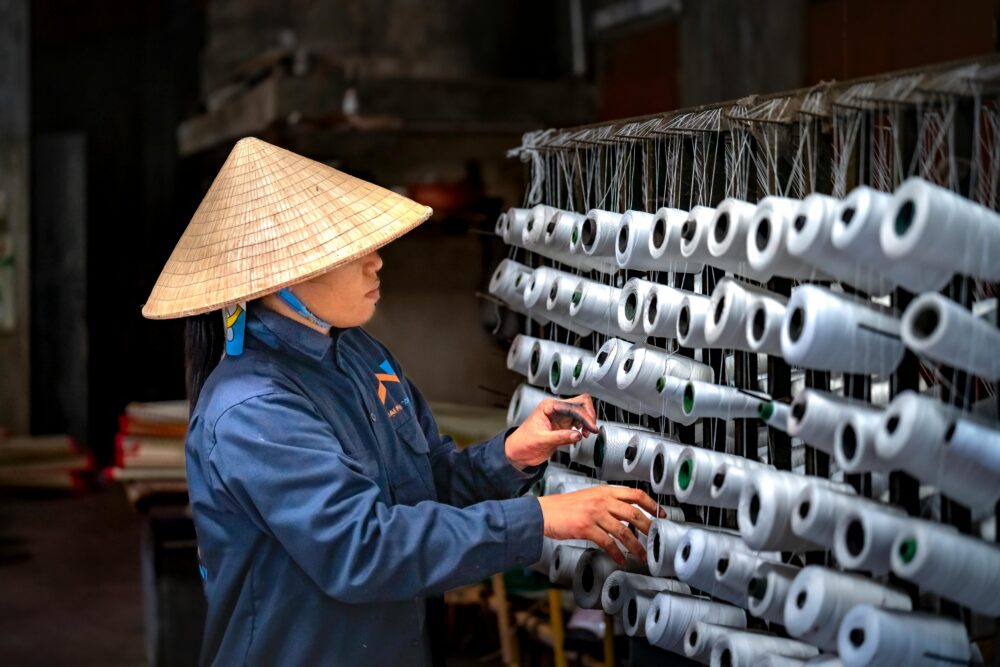
Occupational health and safety concerns are an integral part of global supply chain networks. When workers suffer from work-related injuries or occupational illnesses, it often points to deeper gaps in workplace systems and controls. To honor workers affected by these incidents, promote safe working environments, and raise awareness of the consequences of inadequate health and safety practices, the International Labour Organization (ILO) established World Day for Safety and Health at Work.
First observed in 2003, World Day for Safety and Health at Work is commemorated annually on April 28 and recognized by the United Nations as an International Day of Observance. It serves as a powerful reminder that safe working conditions do not happen by chance—they are built through intention, accountability, and ongoing vigilance from those responsible for worker safety.
Worldwide Responsible Accredited Production (WRAP) advances these same goals through a systems-based approach to protecting workers’ health and safety, as outlined in Principle 8: Health and Safety, a core component of 12 nguyên tắc của WRAP.
Common Health and Safety Issues Identified in WRAP Audits
To better understand workplace health and safety risks—and the oversights that most commonly occur in the textile and apparel industry—WRAP analyzes data collected from audits and facility reports. By tracking trends and sharing insights with stakeholders, WRAP helps certified facilities strengthen their programs and better prepare for annual social compliance certification audits.
Across WRAP audits, most facilities demonstrate a solid understanding of health and safety requirements. Documentation is generally well maintained, policies are established, and training sessions are conducted regularly.
However, audits are designed to look beyond paperwork. They highlight the critical difference between what is documented and what is actually practiced on the production floor.
Some of the most frequent non-compliances identified under WRAP Principle 8 include:
- Personal Protective Equipment (PPE) not in use (19%)
In some facilities, workers are not consistently wearing assigned PPE on the production floor. While policies may exist, enforcement is often lacking. Management presence and active oversight are essential to ensure compliance and reduce cumulative risks such as dust inhalation, chemical exposure, or preventable injuries. - Ineffective or missing machine safety measures (23%)
Audits frequently identify absent or ineffective safety features, such as missing warning signs on electrical panels, non-functioning emergency stop buttons, or poorly maintained machinery. While facilities may have emergency equipment—such as eyewash stations, fire extinguishers, or alarm systems—auditors sometimes find issues like insufficient water pressure, improperly mounted fire extinguishers, or alarms that fail during evacuation drills. In emergency situations, even minor delays or uncertainty can have serious consequences. - Emergency exit and evacuation route deficiencies (20%)
Blocked emergency exits, poorly marked evacuation routes, or inward-opening emergency doors pose major safety risks. During an emergency, limited or confusing exit access can lead to panic, injury, or workers becoming trapped inside the facility.
For a deeper look at the devastating consequences of inadequate health and safety systems, we encourage you to read Vì sao chúng ta nhớ đến Rana Plaza?.
What Strong Safety Programs Look Like
Facilities that consistently perform well go beyond minimum requirements by embedding safety into their daily operations. Strong safety programs typically include:
- Ongoing, reinforced health and safety training
- Routine inspections to confirm equipment is functioning properly
- Consistent monitoring and enforcement of PPE use
- Clear, accessible signage in languages workers understand
- Management that models safe behaviors and working conditions
- A workplace culture where workers feel responsible not only for their own safety, but for the safety of their colleagues
Why Social Compliance is Critical
Social compliance plays a critical role in protecting workers’ health and safety because it transforms legal and ethical obligations into consistent, measurable action. Strong social compliance systems ensure that health and safety requirements are not treated as one-time checklists, but as ongoing responsibilities embedded into daily operations. When compliance is taken seriously, risks are identified earlier, controls are enforced more consistently, and accountability is clearly defined across all levels of an organization.

 English
  Español
  Deutsch
  বাংলা
বাংলা  Tiếng Việt
  简体中文
简体中文